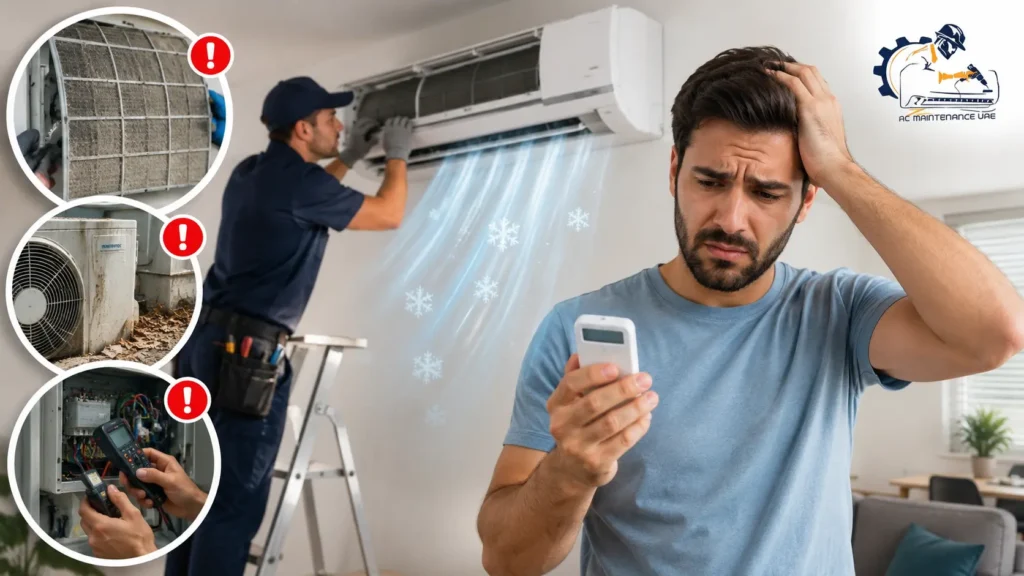
You finally got a brand-new unit installed. The technician left, you cranked it up, and the room still feels like a sauna. Proper AC installation should mean cold air from day one, yet that’s not always what happens. Frustrating? Absolutely. But here’s the thing: ac installation problems are more common than most people realize, and nearly all of them are fixable. Some trace back to how the unit was set up.
Others come down to small oversights that compound quickly. Either way, you deserve answers, not guesswork. This guide walks you through exactly why your system may be failing and what you can do about it right now, before the situation gets worse or more expensive.
Why Is My AC Running But Not Cooling After Installation?
Short answer: When your AC is running but not cooling, the culprit is usually incorrect sizing, poor refrigerant charging, or airflow issues caused during the installation process itself, not a factory defect.
People assume a new unit means guaranteed cold air. That’s not always how it works. A unit can be brand new and still underperform if it wasn’t set up correctly. The installation process has more variables than most homeowners expect, and skipping even one step can leave you sweating through July.
1. Wrong Unit Size for Your Space
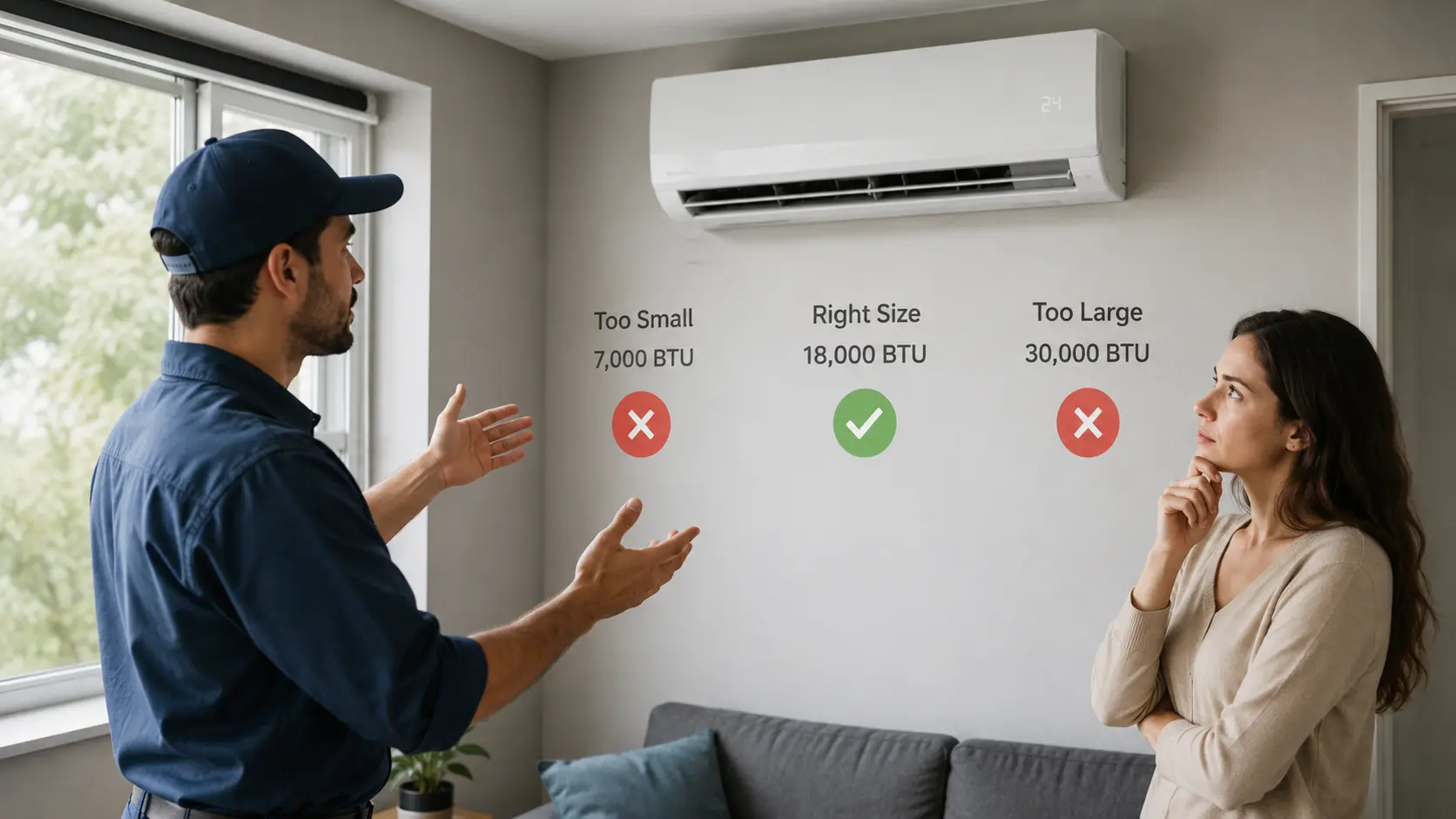
One of the most overlooked ac installation problems is simply buying the wrong-sized unit. Too small, and it runs constantly without ever reaching your target temperature. Too large, and it short-cycles, turning on and off too quickly to actually remove humidity from the air.
What to check:
Square footage, ceiling height, and insulation quality all factor into proper sizing. If your installer didn’t do a Manual J load calculation before recommending a unit, there’s a real chance the sizing is off.
That said, don’t panic immediately. Check with your installer about whether a sizing assessment was done. If it wasn’t, that’s a conversation worth having sooner rather than later.
2. Refrigerant Was Not Charged Correctly
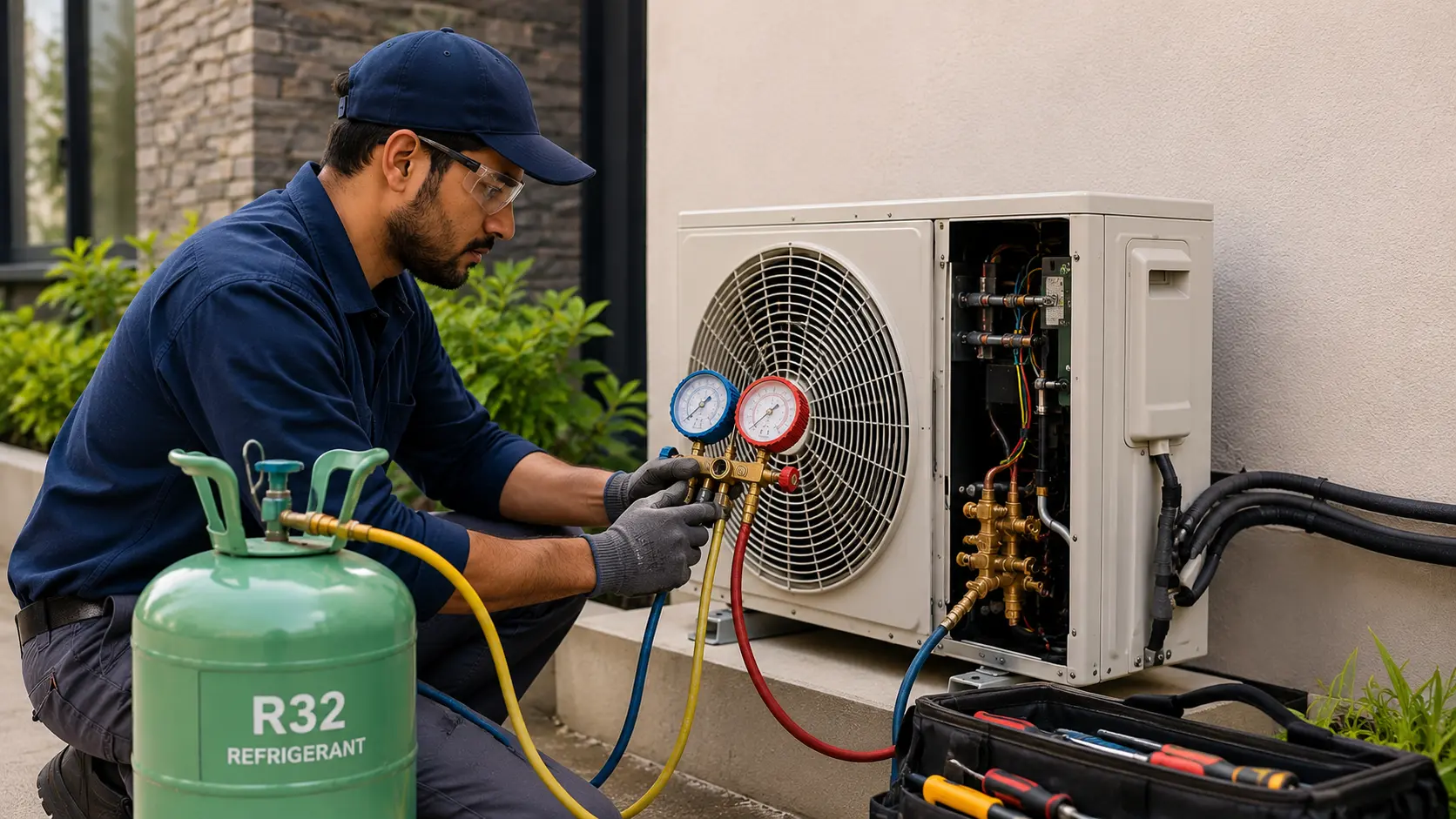
This one’s big. Air conditioner not cooling properly after installation is often a refrigerant issue, either it was undercharged during setup, or there’s already a leak in the lines.
Refrigerant doesn’t get “used up” like fuel. So if your system is low on refrigerant shortly after installation, something was either charged incorrectly or there’s a leak that went undetected. Both are legitimate concerns.
Signs of a refrigerant problem:
- Warm air blowing from vents
- Ice forming on the outdoor unit or refrigerant lines
- Hissing or bubbling sounds near the unit
- Higher-than-expected electricity bills from day one
If you’re seeing any of these, don’t delay. This isn’t a DIY fix; refrigerant handling requires trained technicians.
3. Poor Airflow Due to Ductwork or Filter Issues
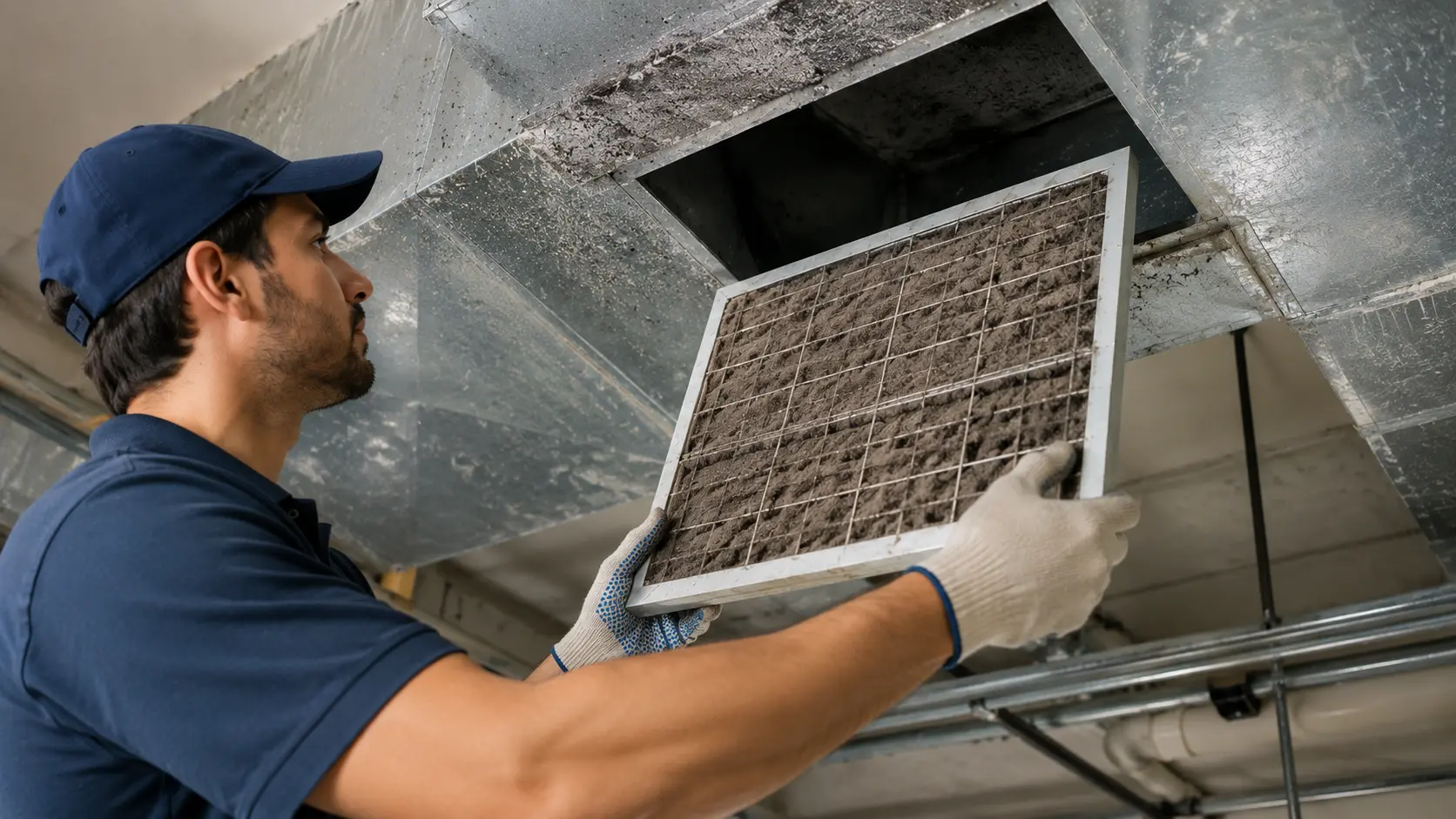
AC not blowing cold air is sometimes as simple as blocked airflow. New installations sometimes come with filters installed too tightly, kinked flex ducts, or registers that were never fully opened. These small things choke the system before it ever gets a fair chance to perform.
Walk through your space and check every vent. Are they all open? Is air actually coming out? A barely-blowing vent in one room while another is fine usually points to duct issues, not the unit itself.
Also, check your air filter. Some contractors install a new filter but use the wrong size or type, which restricts airflow immediately. It sounds almost too simple, but it’s worth ruling out first.
4. Thermostat Wiring or Settings Were Done Wrong
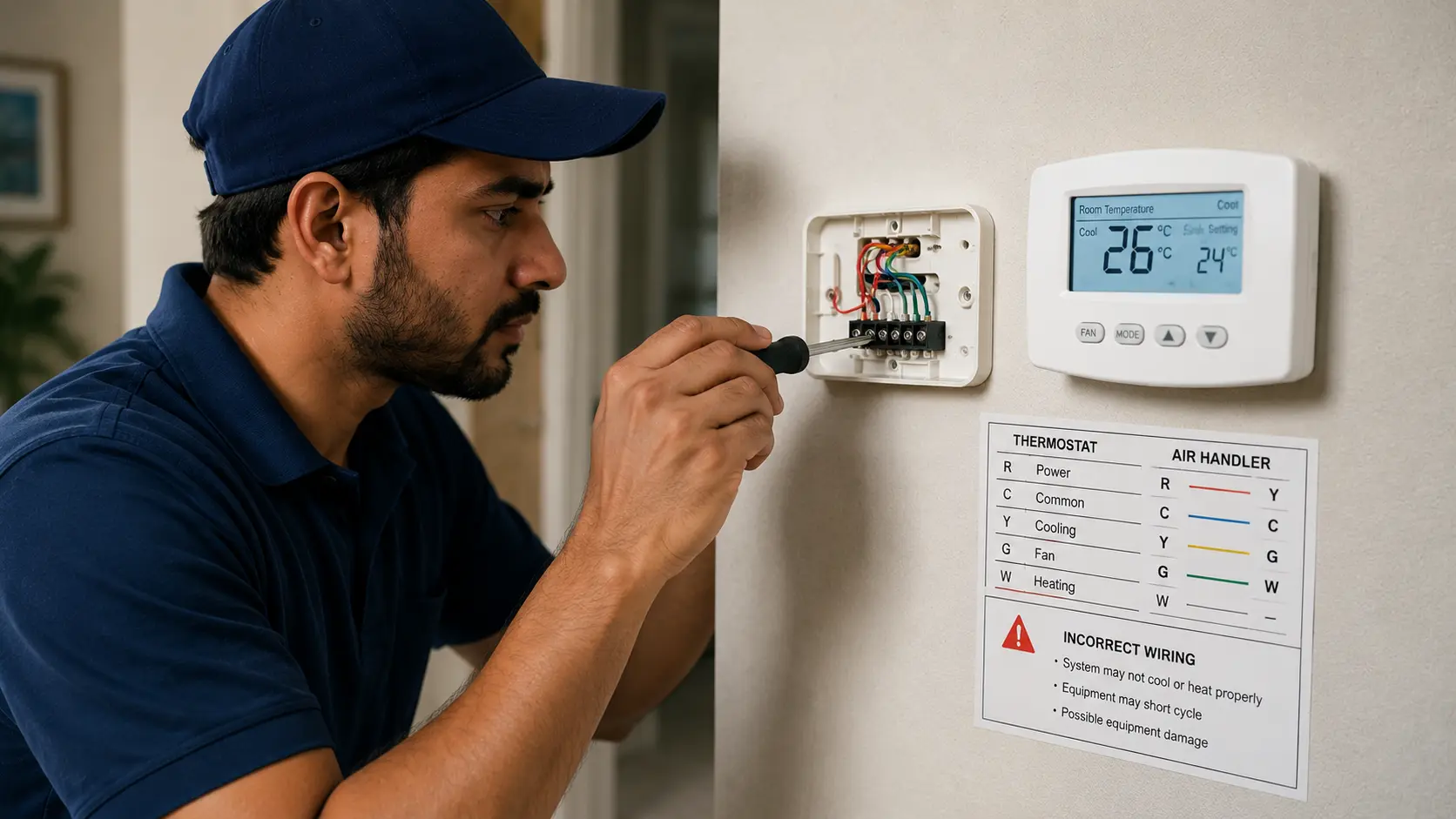
Short answer: A misconnected wire or wrong setting can fool your entire system into running without actually cooling, and it’s one of the first things worth checking.
Nobody talks about the thermostat when a new AC fails. Everyone jumps straight to the refrigerant or the unit itself. But one transposed wire during setup can send completely wrong signals to your system. The unit runs, the fan spins, and real cooling never actually kicks in.
Worth checking yourself first:
- Is the mode set to “cool,” not just “fan only”?
- Is your set temperature lower than the current room reading?
- Is the thermostat sitting near a window, lamp, or warm appliance?
That last point trips people up often. A thermostat picking up false heat from nearby sources will misread the room and shut the system off too early. If the wiring itself is the issue, a technician visit is the right call, but ruling out these basics first can save you that trip entirely.
5. The Outdoor Unit Wasn’t Placed Correctly
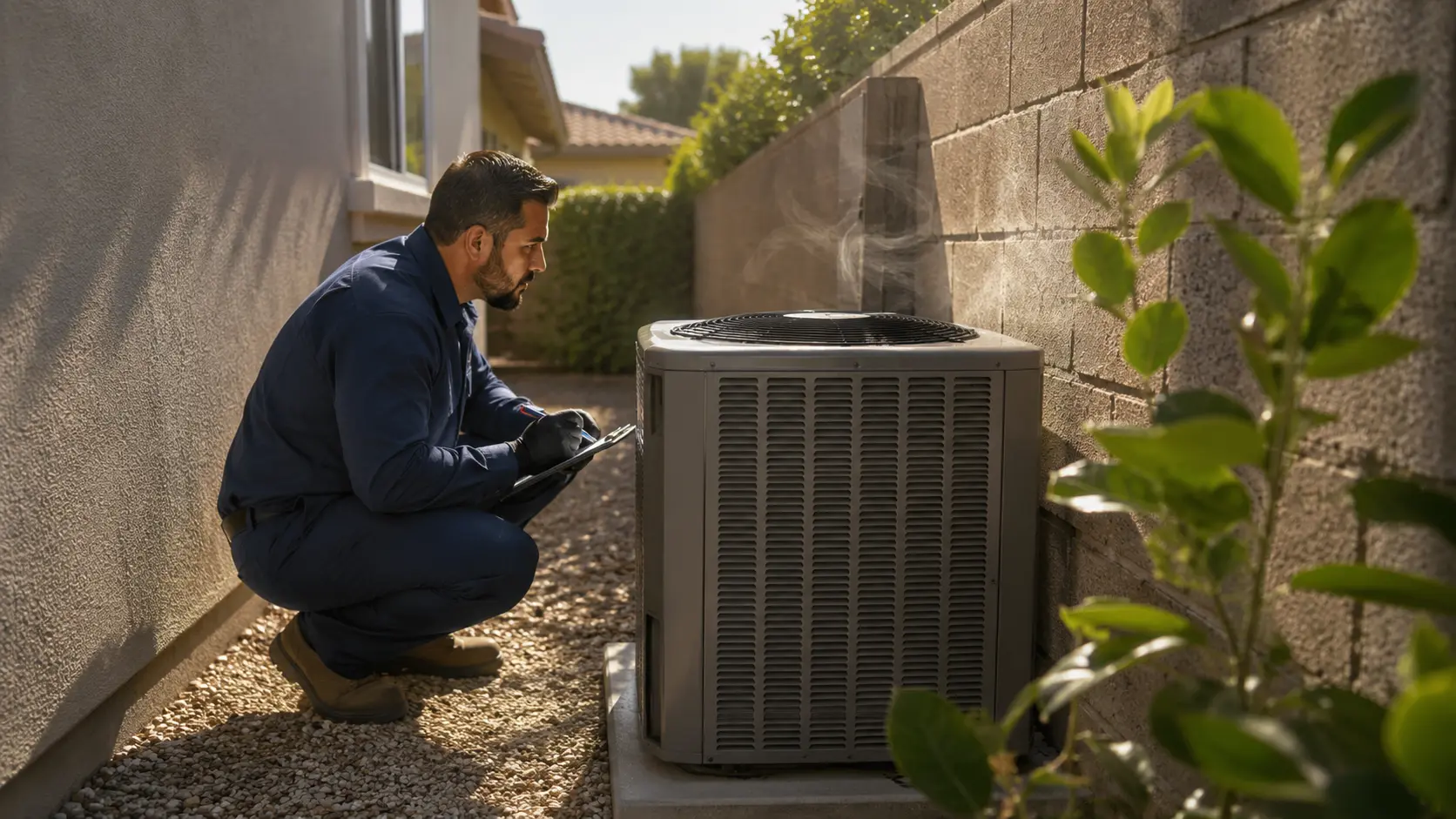
Placement matters more than most people expect. If the outdoor condenser unit was installed in a spot with poor airflow hemmed in by walls, shrubs, or debris, it can’t dump heat efficiently. When that happens, the system struggles to cool, no matter what’s happening indoors.
The outdoor unit needs breathing room on all sides. It also shouldn’t be placed in direct sunlight without shade structures, as that forces it to work harder just to start the cooling process. If your installer placed the unit in a tight corner or against a wall with no clearance, that’s worth reassessing.
At AC Maintenance UAE, we’ve seen plenty of cases where ac not cooling after installation traced back directly to poor outdoor unit placement, not equipment failure. Sometimes the fix is as simple as relocating the condenser.
6. Electrical Issues Limiting System Performance
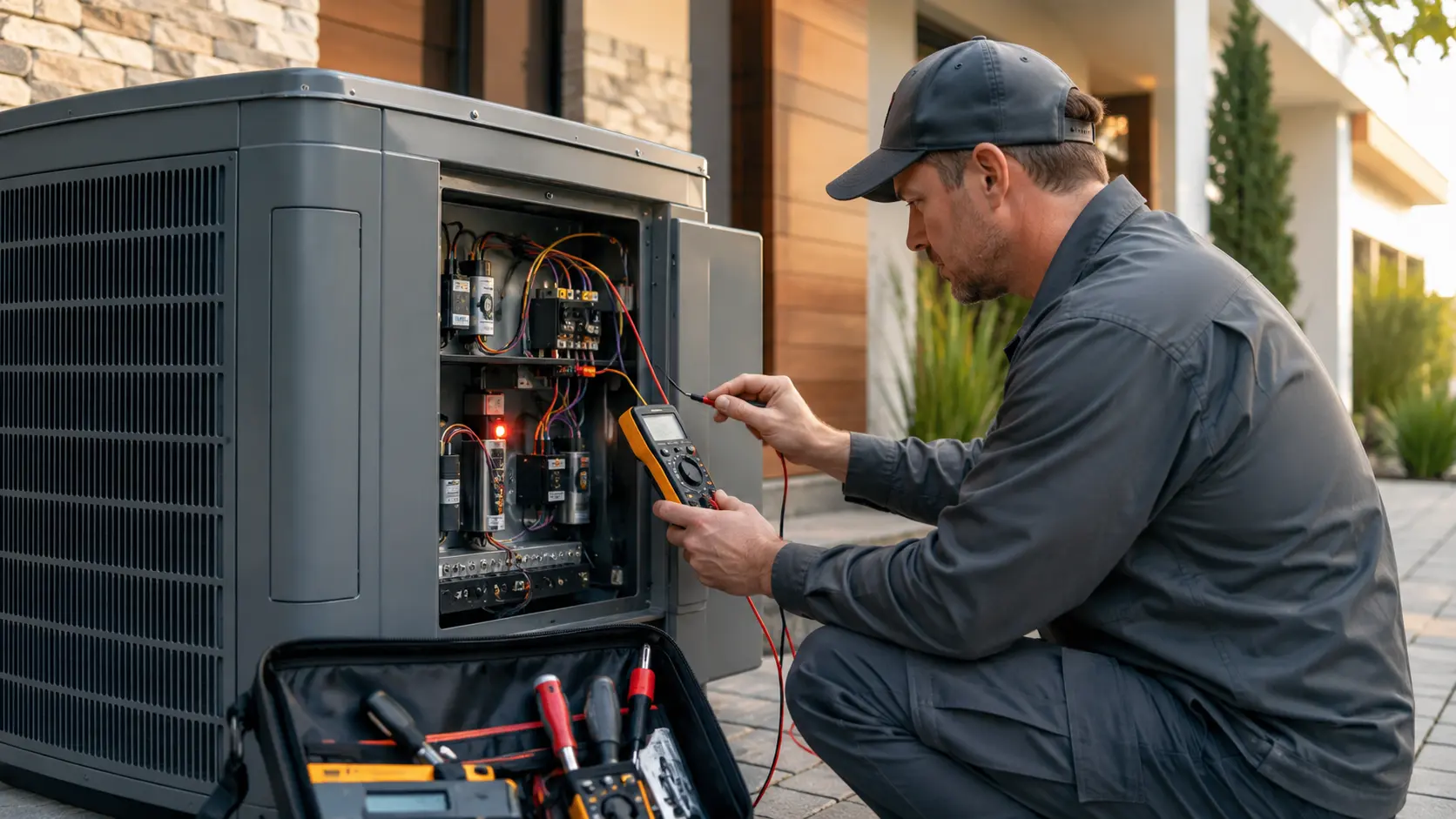
New AC units draw significant power. If your home’s electrical panel wasn’t upgraded to support the new load, or if the circuit breaker is undersized, the unit may run in a reduced-capacity state or trip the breaker repeatedly.
AC not cooling because of electrical limitations is frustrating because the unit appears to be running fine. It powers on, the fan moves, but it never reaches full cooling capacity. An electrician or HVAC technician can check whether the unit is actually receiving the voltage it requires.
7. Installation Crew Left Without Proper Testing
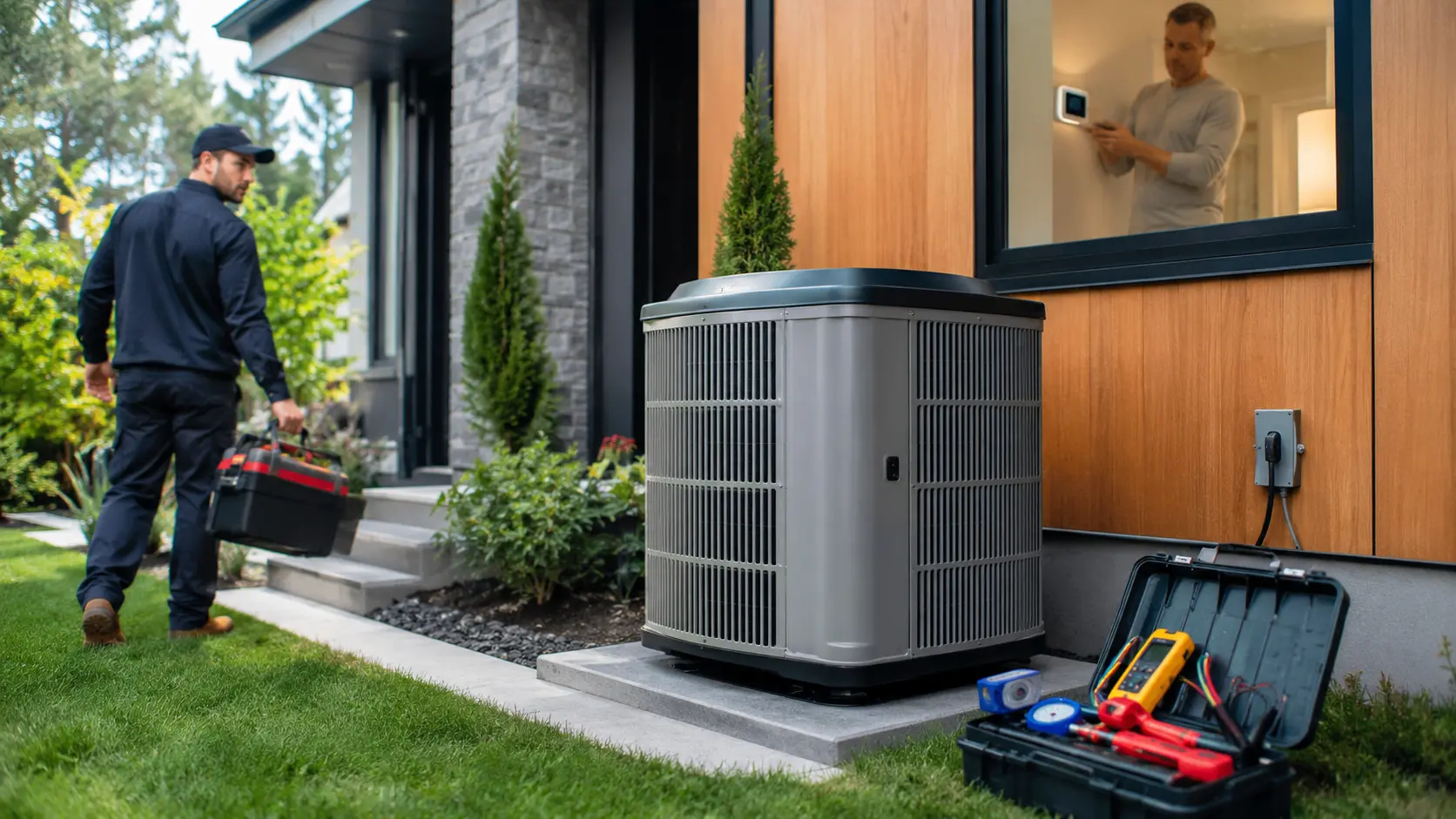
This happens more than it should. A rushed installation crew might skip the final commissioning, the stage where they run the system, verify temperatures at vents, check refrigerant pressures, and confirm everything is working together. If they left without completing this step, problems might only show up hours later when you’re alone in a warm room.
AC Maintenance UAE always recommends asking your installer to do a full performance check before signing off. That includes measuring supply and return air temperatures and confirming the system is within spec. If they can’t show you those numbers, that’s a red flag.
Frequently Asked Questions
1. Why is my AC not cooling after installation, even though it’s running?
Most likely, it comes down to incorrect refrigerant charge, a sizing mismatch, or an airflow restriction. These are all installation-related issues, not manufacturing defects, which means they’re correctable.
2. How soon after installation should AC not cooling be reported?
Right away. Don’t wait days hoping it improves. If your AC installation isn’t cooling properly within the first 24–48 hours, contact your installer to come back and inspect.
3. Can ac installation problems cause long-term damage?
Yes, they can. Running a system that’s low on refrigerant or constantly short-cycling puts extra strain on the compressor. Catching ac installation problems early protects the lifespan of your equipment.
4. What does ac not blowing cold air usually mean?
It often means either the refrigerant level is off, the filter is too restricted, or the thermostat isn’t communicating correctly with the system. Start with the simple stuff, filter and thermostat, before calling for a service visit.
5. Is air conditioner not cooling the same as air conditioner not working?
Not exactly. An air conditioner not cooling means the unit is running but failing to lower the temperature. The unit isn’t broken, it’s just not performing correctly, usually due to a setup issue.
6. How do I know if my AC was installed correctly?
Ask your technician for documentation showing refrigerant pressures, airflow measurements, and electrical readings taken during commissioning. If they don’t have those, your AC installation may not have been verified properly.
Conclusion: Still Sweating After Installation? Here’s Your Fix
A new AC unit should work. When it doesn’t, something in the setup didn’t go right, and that’s a problem worth fixing immediately, not ignoring. Whether it’s refrigerant, sizing, airflow, or a missed commissioning step, most ac installation failures have clear, fixable causes.
Now that you know what to look for, ready to stop guessing and get your space actually cool? AC Maintenance UAE offers post-installation inspections to catch exactly these kinds of issues before they turn into bigger repair bills. Reach out and let a proper diagnosis replace the frustration.