Your AC just made a weird clicking noise, and now it’s blowing lukewarm air instead of that cool relief you’re used to. Sound familiar? Most homeowners panic and start Googling replacement costs before they’ve even checked the basics, things like the filter, the thermostat, the breaker box. That’s usually a mistake, and often an expensive one.
This guide walks you through AC mechanical troubleshooting step by step, so you can actually figure out what’s wrong before spending money you don’t need to spend. We’ll cover the most common warning signs, a simple diagnostic process you can follow at home, and, just as important, when it’s genuinely time to stop poking around and call in a professional instead. By the end, you’ll know exactly where your unit’s problem is likely coming from.
Why Your AC Mechanical Problems Keep Coming Back
Recurring cooling issues usually trace back to skipped maintenance, dirty components, or aging parts nobody’s inspected in a while. Fixing the symptom without finding the root cause just means you’ll be back here again next month.
Most people treat their air conditioner like it’ll just run forever if they leave it alone. It won’t. Dust builds up, parts wear down, and small issues turn into big, expensive ones if nobody’s paying attention. We see this pattern constantly with technicians in the field: a customer calls about the unit not cooling properly, and it turns out the problem’s been brewing for months, sometimes longer.
It’s kind of like ignoring a weird noise your car makes. You can drive around it for a while, sure. But eventually that small rattle becomes a repair bill you really didn’t want. Your AC works the same way. Small mechanical issues rarely stay small.
Common Signs of AC Mechanical Trouble
Watch for warm air from vents, water pooling near the unit, strange noises, or the system refusing to power on. These are the four big red flags that something’s mechanically off.
Let’s break these down one at a time, because each one points to a different culprit, and treating them all the same way usually wastes time.
AC Blowing Warm Air
If you’re dealing with AC blowing warm air instead of cool relief, don’t assume the worst right away. Sometimes it’s just a dirty filter choking off airflow, an easy, cheap fix. Other times, though, it’s low refrigerant or a failing compressor, and that’s not something you can DIY your way out of.
Check your filter first. It’s the fastest thing to rule out, and honestly, it solves this more often than people expect. If it’s clean and the vents are still pushing out warmth, that’s your cue to stop guessing and call a technician.
AC Compressor Issues
The compressor is basically the heart of your system, so AC compressor issues tend to cause the most noticeable and most annoying symptoms. Grinding noises, the unit shutting off randomly, or a complete failure to cool: these all point back to this one part more often than people realize.
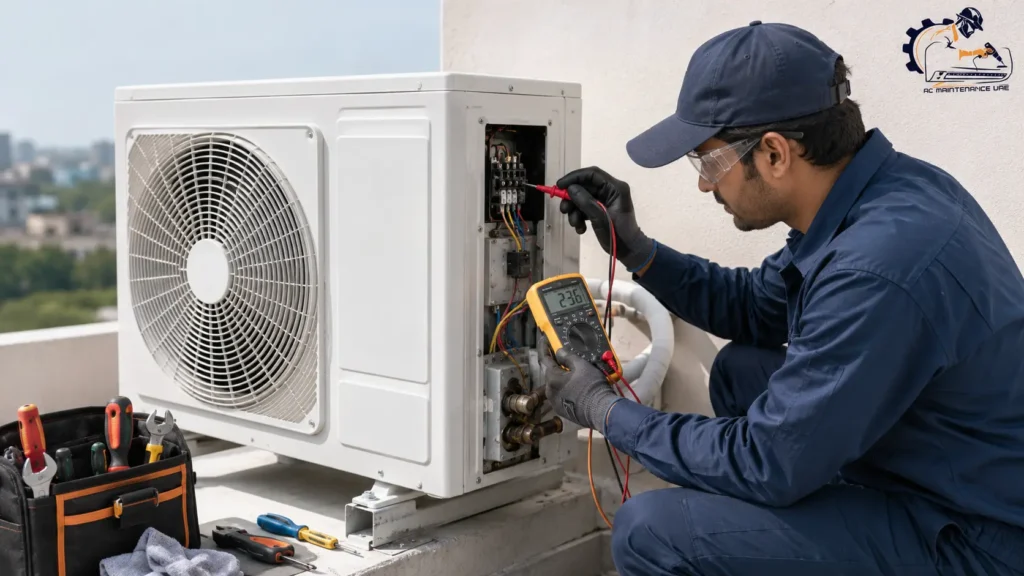
This is one of the few areas where I’d say don’t mess with it yourself, even if you’re handy. AC compressor issues usually need proper diagnostic tools and refrigerant handling, which isn’t something you want to improvise with in your backyard on a Saturday afternoon.
AC Leaking Water
Puddles under your indoor unit? That’s AC leaking water, and it’s more common than you’d think. Usually it comes down to a clogged condensate drain line. Moisture builds up, has nowhere to go, and ends up on your floor instead of draining outside like it’s supposed to.
Sometimes this points to something worse, like a cracked drain pan or ice buildup on the coils that’s melting faster than the drain can keep up with. Either way, don’t ignore it. Water damage adds up fast, and it’s rarely cheap to fix once it spreads to flooring or walls.
AC Won’t Turn On
Few things are more frustrating on a hot day than an AC that won’t turn on situation. Before you assume the worst, check your thermostat batteries and your circuit breaker. Sounds too simple, I know, but it genuinely fixes this more often than people admit once they figure it out.
If you’ve checked both and the unit’s still completely dead, the issue’s likely electrical: a blown capacitor, a tripped safety switch, or wiring that’s gone bad somewhere along the line. That’s where a professional diagnostic really earns its cost.
Step-by-Step AC Mechanical Diagnostic Process
Work through filter checks, thermostat settings, breaker status, and visible leaks before calling a technician. This order saves time and rules out the easy fixes first.
Here’s a simple process to follow, in the order that makes the most sense:
- Check the air filter: replace it if it’s dirty or clogged
- Inspect the thermostat: confirm it’s set to cool and batteries aren’t dead
- Look at the breaker box: reset any tripped switches
- Check for visible water: near the indoor unit or drain line
- Listen for unusual sounds: grinding, buzzing, or clicking
- Note if the outdoor unit is running: a silent compressor is a red flag worth noting
If you’ve gone through all six steps and something’s still off, that’s genuinely the point where AC mechanical troubleshooting stops being a weekend project and becomes a job for someone with the right tools.
When to Stop Troubleshooting and Call a Pro
Call a technician if you smell burning, see sparks, notice repeated breaker trips, or suspect a refrigerant leak. These aren’t situations where trial and error is worth the risk.
I get the appeal of fixing things yourself. It saves money, and there’s something satisfying about solving a problem on your own without paying someone else to do it. But electrical work and refrigerant handling come with real safety risks that aren’t worth gambling on. Anything involving AC mechanical components tied to electricity or pressurized gas is where I’d personally draw the line.
AC Maintenance UAE handles diagnostics for exactly these situations, catching things a quick YouTube fix would probably miss entirely. If your unit’s still under warranty, DIY repairs can also void it without you realizing, so that’s worth checking before you grab a screwdriver and start taking things apart.
Preventing Future AC Mechanical Problems
Regular filter changes, annual professional inspections, and keeping the outdoor unit clear of debris go a long way toward avoiding repeat breakdowns.
A few habits that actually make a difference over time:
- Change filters every 1-3 months, depending on usage and whether you have pets
- Clear leaves, dirt, and plants away from the outdoor unit regularly
- Schedule a yearly checkup before peak summer heat hits your area
- Keep an eye out for early warning signs like reduced cooling performance
None of this is complicated, honestly. It’s mostly just remembering to do it before something breaks, instead of scrambling after it already has.
Frequently Asked Questions
1. Why does my AC blow warm air even after I changed the filter?
If AC blowing warm air continues after a filter change, it’s likely low refrigerant or a compressor problem. That needs a technician’s diagnostic equipment to confirm properly.
2. Can I fix AC compressor issues myself?
Not really. AC compressor issues involve refrigerant and electrical components that need certified handling. It’s not a safe or practical DIY job for most homeowners.
3. Is AC leaking water always serious?
Not always, but AC leaking water should never be ignored since it can point to a clogged drain or a bigger internal problem down the line.
4. What should I check first if my AC won’t turn on?
Start with the thermostat batteries and breaker box before assuming an AC won’t turn on issue is something more serious or costly.
5. How often should I get AC mechanical maintenance done?
Once a year is the general rule, ideally before the hottest months arrive, to catch wear and tear before it becomes a full breakdown.
6. Why is my AC not cooling even though it’s running?
AC not cooling while still running usually points to dirty coils, low refrigerant, or airflow blockages that need a closer, professional look.
Conclusion
Fixing a mechanical issue at home feels good, doesn’t it? There’s a small win in figuring things out yourself instead of waiting around for someone else to show up. But knowing your limits matters just as much as knowing the fixes. Now that you know how to spot and troubleshoot common AC mechanical issues, ready to get your system properly inspected before the next heat wave hits your home? A quick checkup now can save you from a much bigger repair bill later, and that peace of mind is honestly worth more than the cost of skipping it.