
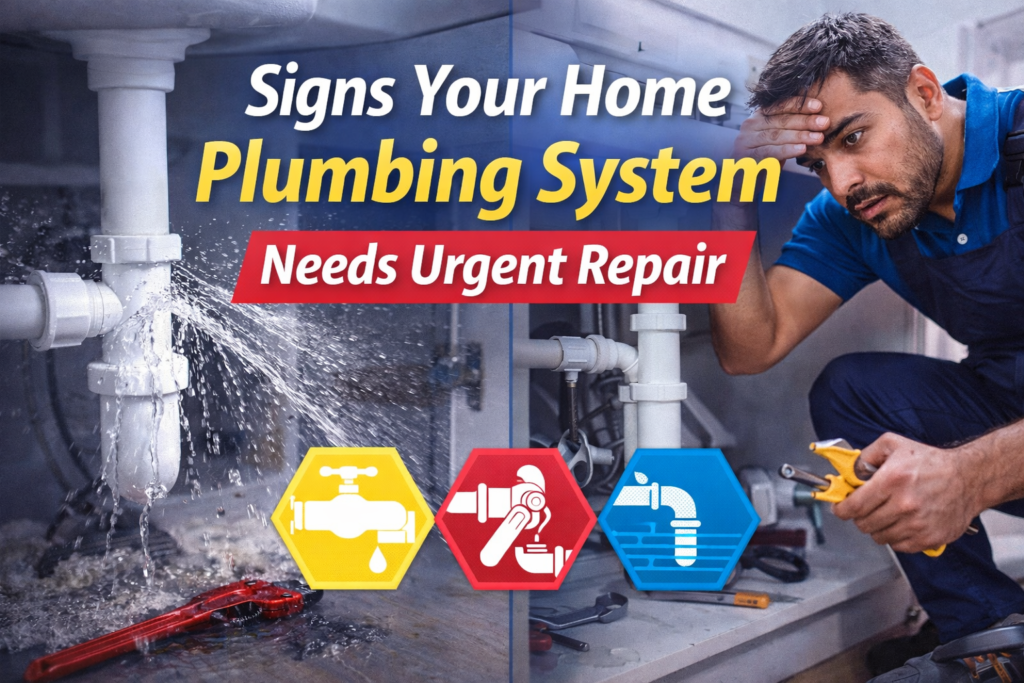
Introduction to Home Plumbing System Problems
Most people never think about their plumbing. Until water starts dripping from the ceiling. Or the toilet stops flushing. That is when panic starts. Your home plumbing system works silently every day. You use it when you shower, cook, wash clothes, and flush the toilet. But when it breaks, your whole routine stops.
The good news is your plumbing gives signs before it fully breaks. Most homeowners ignore these signs. That small damp patch under the sink? It can turn into a big expensive mess if you leave it too long.
Why Your Home Plumbing System Is Important
Your plumbing does two things. Brings clean water in. Take dirty water out. That is it. But if either side fails, your home is in trouble.
A supply side failure means no water pressure or no water at all. A drainage failure means dirty water backs up inside your home. Both cause real damage to walls, floors, and wooden structures. And mold starts growing fast.
Common Issues in a Residential Plumbing System
In a residential plumbing system, the most common problems are:
- Water leaks behind walls or under floors
- Blocked or slow drains
- Low water pressure
- Corroded or old pipes
- Running toilets that waste water
- Sewer line damage
Some of these build up slowly over years. Others happen overnight. The worst part is that many problems are hidden. You cannot see inside your walls. A pipe can leak for months before you notice.
Why Early Plumbing Repairs Save Money
Fixing a small leak early costs very little. Waiting six months? That same leak can damage your wall, grow mold, and cost ten times more to fix. Also, many insurance companies will not pay for water damage if you knew about the problem and did nothing. So fixing things early is not just smart, it protects your money too.
Understanding Your Residential Plumbing System
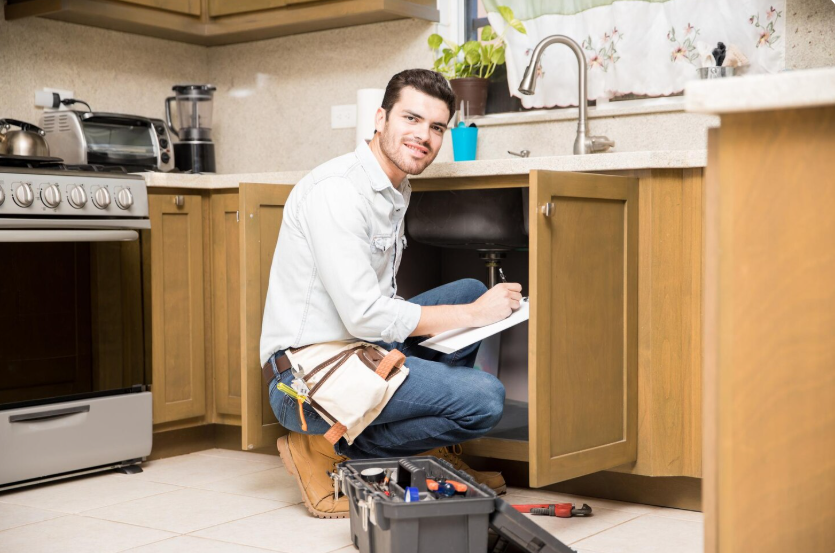
You do not need to be a plumber. But knowing the basics helps you spot problems faster.
Your residential plumbing system has supply lines, drain pipes, vent stacks, traps, and shut-off valves. Each part has a job. When one part fails, the problem shows up somewhere else.
Main Components of a House Plumbing System
A house plumbing system has three main parts:
- Supply system brings clean pressurized water into your home
- Drain-waste-vent system carries used water out through gravity-fed pipes
- Fixtures taps, showers, toilets, and appliances that use water
All three are connected. If one fails, the others feel it. A blocked sewer line backs up your kitchen sink and bathroom at the same time.
How a Home Water Plumbing System Works
Water enters your home under pressure. That pressure pushes water to every tap and shower. When you open a tap, the pressure does the work. When you close it, it stops.
Drainage works differently. No pressure involved. Pipes sit at a slight angle so water flows down by gravity. Vent pipes let air into the drain system so water moves freely. A blocked vent pipe can slow every drain in your house at once.
Differences Between Minor and Major Plumbing Issues
A dripping tap is minor. A drain that takes a bit longer than usual is minor. These need fixing but are not urgent.
A burst pipe is major. Sewage backing up through floor drains is major. No water coming from any tap in the house is major. These situations can get worse within hours. Act fast.
Visible Signs Your Home Plumbing System Needs Repair
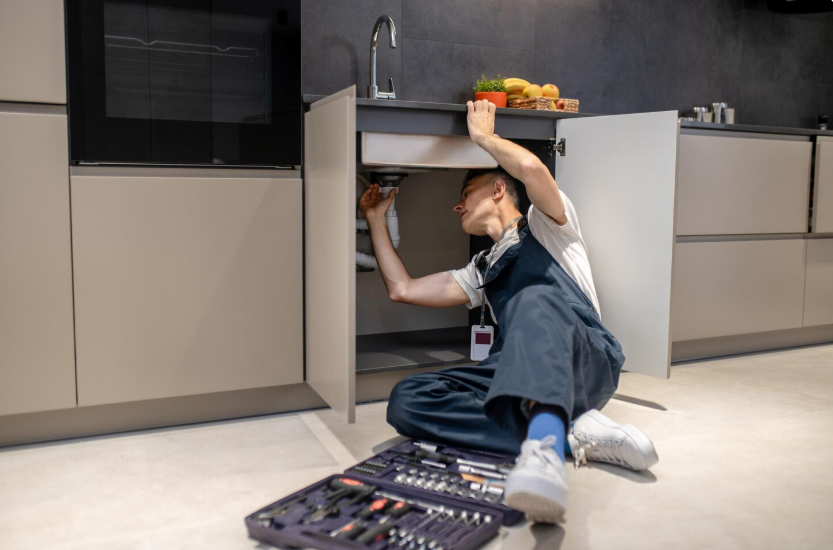
Some plumbing problems are easy to see. Water on the floor. A stain spreading on the ceiling. Paint peeling off a wall with no reason. These are not cosmetic issues. They are signs that something is wrong behind the surface. Do not ignore visible signs. They are your home plumbing system telling you to fix this now.
Water Leaks Under Sinks or Behind Walls
Open the cabinet under your kitchen and bathroom sinks right now. Most people store cleaning products there and never actually look. A slow leak from a worn pipe joint can drip for months in there without being noticed.
Look for:
- Wet patches or puddles inside the cabinet
- Rust stains around pipe fittings
- A faint damp smell
- Soft or discoloured cabinet floor
Water Stains, Damp Walls, and Ceiling Marks
A yellow or brown ring on your ceiling means water is coming from above. If the stain is dry and not growing, check what caused it. If it is wet when you touch it, the leak is still happening. Fix it now.
Damp patches on walls, especially near the floor, point to pipe leaks or drainage failure. Press the wall gently. If the plaster feels soft, water has been sitting inside that wall for a while.
Mold Growth and Musty Smells
Mold only grows where there is moisture. If you see black or green spots near pipes, under sinks, or along walls there is a water problem nearby.
A musty smell with no visible mold is also a warning. Moisture is hiding somewhere inside a wall, under the floor, or behind a fitted cabinet. Find the source. Do not just spray air freshener and forget about it.
Low Water Pressure and Flow Problems
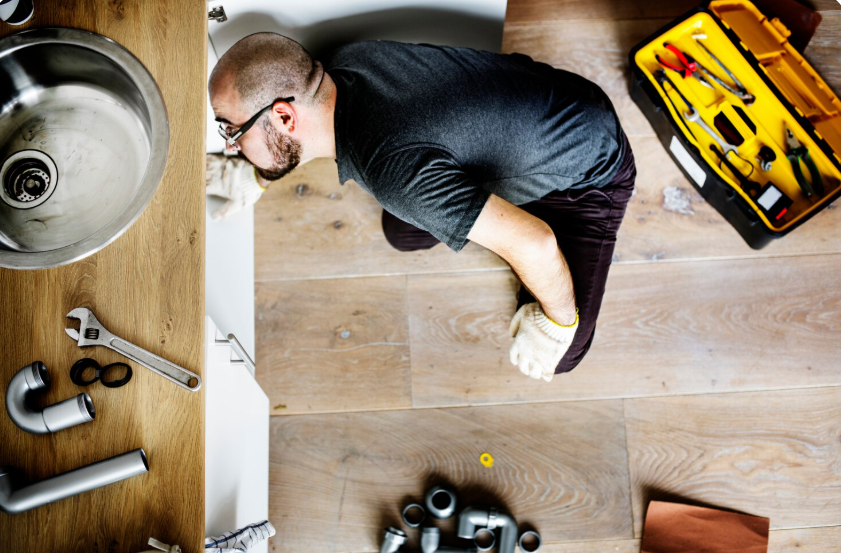
Weak water pressure is something many people just live with. They take shorter showers and wait longer to fill a bucket. But low pressure is often a sign of a real problem that is getting worse.
Low pressure across your whole home can mean water is leaking somewhere, or your pipes have deteriorated badly.
Causes of Weak Water Pressure
If only one tap has low pressure, the aerator screen is probably blocked with minerals. This is easy to clean. If the whole house has low pressure, the problem is bigger. Possible causes include:
- Main shut-off valve not fully open
- A failing pressure regulator
- A leak somewhere in the supply line
- Mineral scale buildup narrowing the pipes from inside
Pipe Blockages in a House Plumbing System
The mineral scale builds up slowly. Year after year, the inside of the pipe gets narrower. Water flow drops. Pressure drops. Eventually it feels like the water supply has been turned down.
Pipes can also get partially blocked by debris, corroded material, or external pressure. This adds stress to nearby joints. Over time, joints start leaking.
When to Call for Home Plumbing Repair
If cleaning the aerator and checking the valve did not fix it, the problem is inside the pipes. That needs a plumber. Low pressure that has been slowly getting worse over months means the problem is also slowly getting worse. Do not wait.
Drainage Problems and Slow Drains
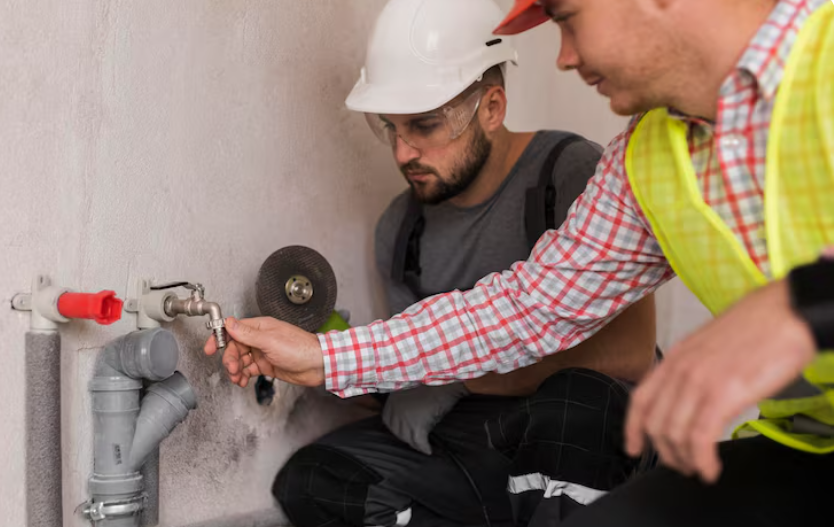
A slow drain is easy to dismiss. Pour some drain cleaner, done. But when drains keep blocking again and again, something bigger is happening further down the pipe.
Slow drains can turn into sewage backups. In the worst cases, raw sewage can come up through ground-floor drains. That is a health emergency.
Slow Bathroom and Kitchen Drains
Bathroom drains slow down because of hair and soap buildup near the opening. A drain snake or even a coat hanger usually fixes this. Kitchen drains slow down from grease and food particles coating the inside of the pipe.
If clearing the opening does not fix it, the blockage is deeper and needs proper equipment to reach.
Frequent Drain Blockages
If your drain blocks every few weeks even after cleaning, you have not fixed the real problem. You have only cleared the surface.
Recurring blockages point to deeper issues like:
- A crack in the main drain line where roots have grown in
- A partial pipe collapse
- Hardened grease deep in the system that drain cleaner cannot dissolve
These need a drain camera to find the actual cause.
Warning Signs of Sewer Line Damage
When the sewer line is damaged, the whole house is affected at once. Signs include:
- Multiple drains running slowly at the same time
- Toilets making gurgling sounds when you run a washing machine
- A bad smell from drain openings for no reason
- Wet or green patches in the garden above where the sewer pipe runs
Any of these signs means the sewer line needs urgent inspection. A damaged sewer line can result in sewage backing up into your home a serious health hazard.
Unusual Noises from Pipes
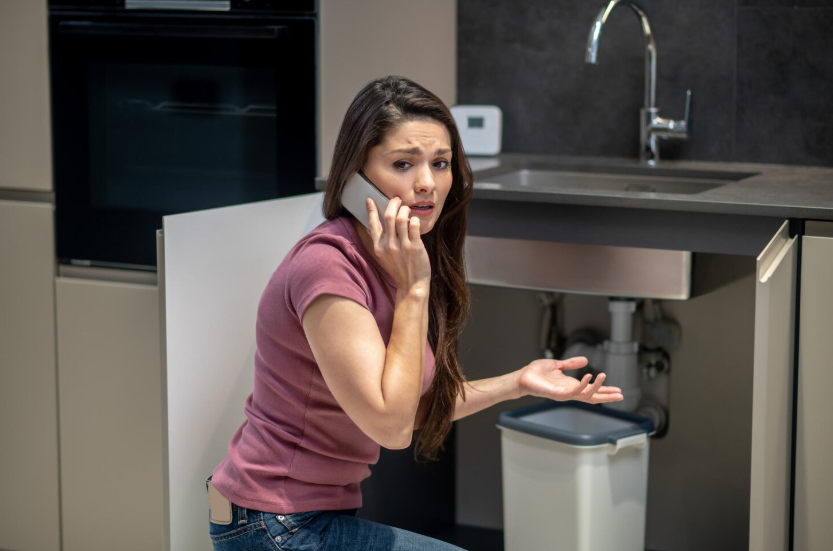
Healthy pipes are quiet. You might hear water moving when a tap is running. That is all. Any banging, whistling, rattling, or gurgling is a sign something is wrong.
Do not dismiss pipe noises. They point to pressure problems, loose fittings, or blockages that will get worse.
Banging or Knocking Sounds
A loud bang when you turn off a tap is called a water hammer. Water flowing fast stops suddenly and slams against the pipe wall. This is caused by high water pressure or pipes not properly secured to the wall. Over time, repeated banging weakens joints and causes leaks.
Whistling or Gurgling Pipes
Whistling means water is being squeezed through a narrow opening — a partially blocked pipe or worn valve. Gurgling from one drain when another is used points to a shared drain line blockage or venting problem.
These sounds only get worse if ignored.
Air Pressure Issues in the Home Water Plumbing System
Air trapped in pipes makes taps spit and pipes knock. This often happens after the main supply is turned off and back on. Run each tap in the house for a minute or two this usually clears it. If it continues, call a plumber to check for a pressure or venting problem.
Sudden Increase in Water Bills
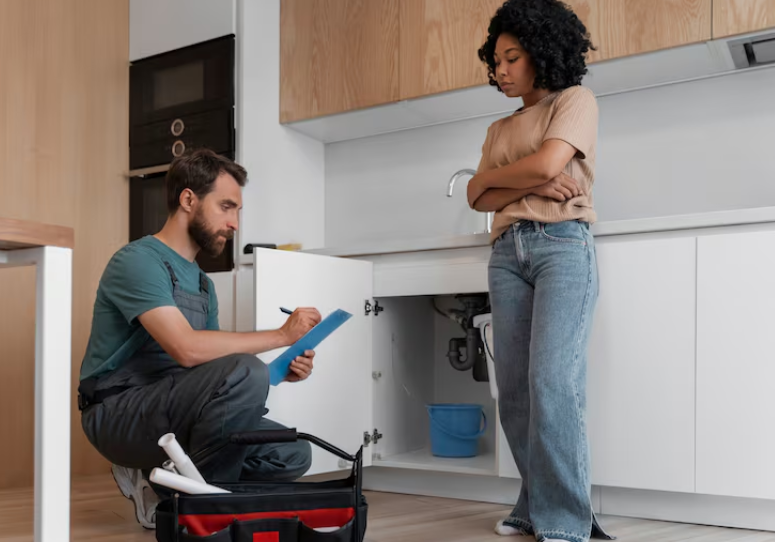
If your water bill jumped and nothing changed at home same number of people, same routine water is going somewhere it should not be. Either something is leaking or a fixture is wasting water continuously.
This is one of the easiest signs to catch because it appears every month on paper. Do not ignore it.
Hidden Leaks in the Home Plumbing System
A small pinhole leak inside a wall drips 24 hours a day. It might not make the wall visibly wet for months. But it will show on your water bill. To check for hidden leaks, turn off every water source in the house and watch your meter for 20 to 30 minutes. If the needle moves, water is leaking somewhere.
Running Toilets and Wasted Water
A toilet that keeps running after flushing wastes hundreds of litres per day. The flapper valve at the bottom of the tank wears out and stops sealing properly. You may not even hear it. Test it by putting a few drops of food coloring into the tank. If color appears in the bowl without flushing, the flapper needs replacing. It is a cheap fix that saves a lot of water.
Detecting Underground Pipe Damage
Underground leaks are rare but serious. Signs include a meter that keeps moving with everything switched off, unexplained wet patches in the garden, or soft ground above where the pipe runs. These leaks need specialist equipment to find. Do not try to dig and find it yourself, call a professional for proper home plumbing repair.
Water Discoloration and Quality Issues
Water from your taps should always come out clear. Any change in color, smell, or taste is a warning that something is wrong in the supply system, your pipes, your water heater, or the mains connection.
Brown or Rusty Water from Taps
Rusty brown water means iron or steel pipes are corroding inside. This is common in older homes with original galvanised steel pipes. If only the hot tap has rusty water, the problem is likely inside the water heater, not the pipes.
Metallic Taste or Unpleasant Smell
A metallic taste in cold water points to corroding copper pipes. A rotten egg smell almost always means bacteria growing inside the water heater. The anode rod has worn out and the tank needs servicing. Both issues need a plumber to fix properly.
Corrosion in the Residential Plumbing System
Blue-green staining around tap bases means copper pipes are corroding. White chalky buildup is mineral scale. Flaking material around joints means the pipe metal is breaking down from inside. Corrosion spreads. Replace corroded sections before they fail completely and cause a burst.
Plumbing Emergencies You Should Not Ignore
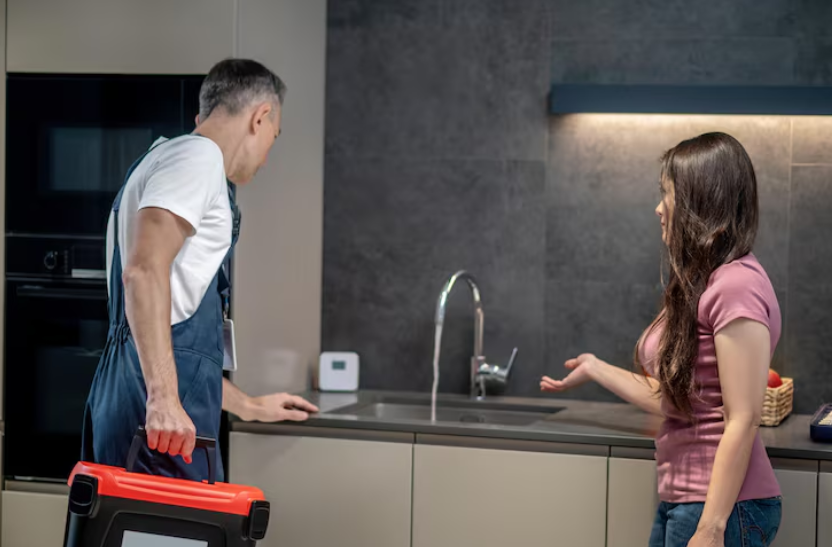
Some plumbing problems move from bad to dangerous very fast. These are not things you put on a to-do list for next week. They need a plumber right now.
Knowing what to do in the first few minutes can seriously reduce the damage.
Burst Pipes and Major Water Leaks
First thing, find the main shut-off valve and turn off the water supply. In most homes this is under the kitchen sink or near the water meter. Then call a plumber immediately.
While waiting, move valuables away from the water. Turn off electricity in the affected area if water is near sockets. Use towels to contain the flow. Do not try to patch a burst pipe with tape it will not hold. The pipe needs proper repair.
Overflowing Toilets and Blocked Sewage
For an overflowing toilet, turn off the isolation valve on the pipe behind or below the toilet turn it clockwise. If sewage is backing up through ground-floor drains, stop using all water in the house. Running taps or flushing other toilets makes it worse.
Raw sewage is a biohazard. Keep children and pets away. Ventilate the area and call a plumber immediately.
When It Becomes a Home Plumbing Emergency
A situation becomes a home plumbing emergency when water cannot be stopped, when sewage enters the home, when there is no water supply at all, or when water is near electrical fittings. Act fast. Shut off water, shut off power if needed, and call home plumbing services straight away.
Importance of Professional Home Plumbing Services

It is tempting to fix things yourself. Especially with so many online tutorials. But beyond very basic tasks, home plumbing services from a professional are worth it every time.
The real value is not just in fixing the problem. It is in finding the actual cause, fixing it properly, and having a qualified person take responsibility for the work.
Benefits of Hiring Experts
A professional plumber has seen the same problems hundreds of times. They carry the right tools, leak detectors, pipe cameras, pressure gauges to find the real source of a problem, not just what is visible on the surface. A proper repair done once is cheaper than a DIY attempt that fails and causes more damage.
Risks of DIY Plumbing Repairs
Wrong fittings, over-tightened joints, misdiagnosed leaks these are all common results of DIY plumbing. In UAE buildings, unauthorised changes to the plumbing system can also create problems with building management or void your insurance claim. Keep DIY to simple surface-level tasks only.
Long-Term Value of Regular Maintenance
Annual plumbing checks are not an expense. They are an investment. A plumber can catch corroding fittings before they fail, clear slow-building blockages before they back up, and check your water pressure is in the right range. This adds years to your plumbing life and prevents expensive sudden failures.
Useful Home Plumbing Tips to Prevent Major Repairs
Prevention is the cheapest form of home plumbing repair. Most major plumbing failures have warning signs weeks or months before they happen. The homeowners who catch them early are simply the ones who were paying attention.
Regular Inspection and Maintenance
Once a month, spend five minutes checking under your sinks, looking at visible pipe connections, and running your hand along any exposed pipes to feel dampness. Once a year, according to the team at AC Maintenance UAE, book a professional to inspect your full system supply lines, drain lines, water heater, and fittings. Also check your water meter monthly. If it moves with no water in use, investigate immediately.
Avoiding Drain Clogs and Pipe Damage
Simple habits make a big difference:
- Fit strainers over every shower and bath drain
- Never pour cooking oil or grease down the drain
- Flush only toilet paper nothing else
- Run hot water down kitchen drains once a week to clear early buildup
These small things keep your drain pipes clear for much longer.
Scheduling Routine Home Plumbing Repair
If a plumber finds something minor during a check, a worn valve, early corrosion, and a slow drain fix it right away. Routine home plumbing repair on your schedule is always cheaper and less stressful than emergency repairs on the plumbing’s schedule. Set a reminder. Treat it like a car service. Your plumbing wears out too.
FAQs
Q1. How Do I Know If My Home Plumbing System Needs Urgent Repair?
Watch for a combination of signs. Low water pressure plus a rising water bill plus a damp smell near a wall that combination means something serious. A single slow drain can wait a few days. Multiple signs at the same time mean to call a plumber today.
Q2. What Is Considered a Home Plumbing Emergency?
Water flowing somewhere cannot be stopped. Sewage coming into the home. No water supply at all. Water near electrical fittings. Also if you smell gas near the water heater, leave the house and call your gas provider before anyone else.
Q3. How Often Should I Inspect My Residential Plumbing System?
Do a basic visual check every month. Book a professional inspection once a year. If your home is over 20 years old or has never had a plumbing check, book one soon. Older pipes carry much higher risk of corrosion and failure.
Q4. Can Small Leaks Cause Major Damage?
Yes. One drip per second wastes roughly 10,000 litres of water per year. If that drip is inside a wall, it soaks into timber, grows mold, and softens the structure. A repair worth a few hundred dirhams early can become a full wall rebuild later. Fix leaks when you find them no matter how small.
Q5. When Should I Call Professional Home Plumbing Services?
If the problem is beyond cleaning a drain or tightening a visible fitting, call a professional. Low pressure, recurring blockages, water stains, visible pipe leaks, rusty water, strange pipe noises, or a water bill that jumped with no reason all of these need a professional visit. Getting a plumber early is almost always cheaper than waiting.
Final Advice for Maintaining a Healthy House Plumbing System
Your house plumbing system works hard every day. It deserves regular attention. The homeowners with the lowest repair bills are the ones who check things regularly, act on small signs early, and book professional inspections before problems get serious.
At AC Maintenance UAE, the focus is always on catching problems before they grow. Whether you need a routine inspection, help with a specific issue, or urgent home plumbing services getting the right people in at the right time is what separates a manageable fix from an expensive disaster.

AC Maintenance UAE Team
Welcome to AC Maintenance UAE, your reliable partner for complete air conditioning repair and maintenance services in Dubai, Sharjah, and Abu Dhabi. We are strongly dedicated to excellence and deliver efficient and reliable services to keep your cooling systems performing at their best.