There is nothing worse than turning on your air conditioner on a scorching summer day and realizing it is blowing warm air. An AC cooling problem is more than just an inconvenience; it can affect your health, sleep, and energy bills. Whether your AC stopped cooling suddenly or has been underperforming for weeks, understanding the root cause is the first step toward fixing it.
In this guide, you will find everything you need to know about common AC cooling problems and solutions, from simple DIY fixes to signs that you need professional help. Let us dive in.
What is an AC cooling problem?
An AC cooling problem refers to any situation where your air conditioning unit fails to maintain the desired temperature or deliver adequately cooled air. This can range from the AC not cooling at all to partial cooling, unusual noises, water leaks, or bad smells. These issues can stem from electrical faults, refrigerant issues, dirty filters, or worn-out components.
In regions with extreme heat like the UAE, a malfunctioning AC is not just uncomfortable; it can be dangerous. Recognizing the symptoms early and addressing them promptly can save you from expensive repairs and health risks.
Common AC Cooling Problems and Solutions
AC Not Cooling Enough
If your AC is running but the room still feels warm, the unit may not be cooling efficiently. This is one of the most reported AC cooling problems worldwide.
Possible causes:
- A clogged or dirty air filter is blocking airflow
- Low refrigerant levels (also called Freon)
- Dirty evaporator or condenser coils
- AC unit too small for the room size (undersized capacity)
- Blocked air vents or registers
What you can do:
- Clean or replace the air filter every 30 to 60 days
- Ensure all vents are open and unobstructed
- Check that the thermostat is set correctly to cooling mode
- Schedule a professional coil cleaning service
A clogged air filter is one of the simplest fixes and is something most homeowners can handle themselves. However, if the issue is low refrigerant, you will need a certified technician, as handling refrigerant requires special equipment and licensing.
AC Stopped Cooling Completely
When your AC stops cooling entirely, the problem is usually more serious. This is a situation that demands immediate attention.
Possible causes:
- Tripped circuit breaker or blown fuse
- Faulty compressor (the heart of the AC system)
- Refrigerant leak
- Frozen evaporator coils
- Capacitor or contactor failure
What you can do:
- Check your electrical panel for a tripped breaker and reset it
- Turn the AC off for 2 to 3 hours to allow frozen coils to thaw
- Look for visible ice buildup on the indoor unit
- If none of these apply, call a professional
A failed compressor is one of the costliest repairs in HVAC. If your unit is older than 10 years and the compressor is failing, replacing the entire unit may be more economical.
AC Blowing Warm Air
AC blowing warm air is a classic symptom that frustrates millions of homeowners every summer. It means your system is circulating air but not removing heat from it.
Possible causes:
- Thermostat set to “Fan” instead of “Cool.”
- Refrigerant leak depleting cooling capacity
- Dirty condenser unit (outdoor unit covered in dust or debris)
- Restricted airflow due to blocked filters or coils
What you can do:
- Verify thermostat settings (set to “Cool,” not “Fan only”)
- Inspect the outdoor condenser unit for dirt, leaves, or debris
- Gently clean the condenser fins with a garden hose (power off first)
- If the problem persists, have a technician check the refrigerant level
Pro tip: Always clean the area around your outdoor unit. A condenser unit surrounded by shrubs or debris cannot efficiently release heat, which directly causes warm air output indoors.
AC Leaking Water
Water leaking from your AC is a common but often overlooked problem. While a small amount of condensation is normal, significant water pooling inside or outside your home is a warning sign.
Possible causes:
- Clogged condensate drain line (the most common cause)
- A dirty air filter is causing the evaporator coil to freeze and then drip
- Cracked or overflowing drain pan
- Low refrigerant causing coil freezing
What you can do:
- Flush the condensate drain line with a mixture of water and vinegar
- Replace a clogged or dirty filter
- Inspect the drain pan for cracks and replace it if damaged
- If water is leaking indoors, turn off the AC immediately to prevent ceiling or wall damage
Leaving an AC leaking water problem unaddressed can lead to mold growth and structural damage. Act quickly.
AC is Making Noise
A well-functioning AC should run relatively quietly. If your AC is making noise, something mechanical is likely going wrong.
Types of noises and their meanings:
- Banging or clanking: Loose or broken parts inside the compressor or fan
- Squealing or screeching: Belt or bearing issue (common in older units)
- Buzzing: Electrical problem, loose wiring, or debris in the outdoor unit
- Clicking: Normal on startup/shutdown, but constant clicking may indicate a relay issue
- Hissing: Refrigerant leak (requires immediate professional attention)
What you can do:
- Turn off the unit immediately if you hear banging or hissing
- Check for debris (leaves, twigs) in the outdoor unit and remove it.
- Do not attempt to fix electrical or refrigerant-related noises yourself.
Ignoring unusual sounds can cause a minor issue to escalate into a major and expensive repair. When your AC is making noise that seems abnormal, it is always better to get it inspected sooner rather than later.
AC Smells Weird
If your AC smells weird when you turn it on, do not ignore it. Different smells indicate different problems.
Common smells and their causes:
- Musty or mold smell: Mold or mildew growing inside the unit or ductwork
- Burning smell: Overheating electrical components or motor
- Rotten egg smell: A possible gas leak in the area (this is not the AC itself, but call a professional immediately)
- Dirty sock smell: Bacteria buildup on evaporator coils (common after long periods of inactivity)
- Chemical or sweet smell: Refrigerant leak
What you can do:
- Clean the evaporator coils and drain pan to eliminate mold
- Replace the air filter
- Run the fan mode with the window open to air out the ductwork
- For burning or chemical smells, turn off the unit and call a professional immediately
A musty AC is not just unpleasant; it can trigger allergies and respiratory issues. Regular cleaning keeps both the air and your family healthy.
AC Does Not Turn On
Few things are more alarming than pressing the power button and nothing happening. If your AC does not turn on, here is what to check.
Possible causes:
- Tripped circuit breaker or blown fuse
- The thermostat battery is dead, or the thermostat malfunction
- A faulty capacitor is preventing the motor from starting
- Wiring issue or control board failure
What you can do:
- Reset the circuit breaker and check the fuse box
- Replace the thermostat batteries
- Make sure the AC is plugged in, and the power switch on the unit is on
- Check if the remote control batteries are dead
- If none of the above works, call a licensed technician
Sometimes the fix is as simple as fresh batteries in the remote. Other times, it can be a capacitor replacement, which is a quick and inexpensive repair when done early.
What Does the AC Cooling Symbol Mean?
If you are confused by the buttons on your AC remote, you are not alone. The AC cooling symbol typically looks like a snowflake. Here is a quick guide to common remote symbols:
- Snowflake: Cooling mode (standard cold air mode)
- Sun: Heating mode (for heat pump units)
- Fan icon: Fan only mode (no cooling or heating)
- Water droplet: Dry or dehumidification mode
- Arrow circle: Auto mode (unit adjusts temperature automatically)
Make sure your AC is set to the snowflake (cooling) symbol when you want cold air. Accidentally leaving it in fan or dry mode is a surprisingly common reason people think their AC is not cooling.
Why Regular AC Maintenance Prevents Cooling Problems
Most AC cooling problems are entirely preventable with routine maintenance. A well-maintained AC runs more efficiently, lasts longer, and delivers consistent cooling.
Essential maintenance tasks:
- Clean or replace filters every 30 to 60 days
- Inspect and clean coils annually
- Check and clear the condensate drain line
- Inspect refrigerant levels
- Lubricate fan motors and moving parts
- Check thermostat calibration
- Inspect electrical connections and capacitors
For residents and businesses in the UAE, professional maintenance is especially important due to the extreme heat, dust, and humidity that accelerate wear on HVAC systems. The team at AC Maintenance UAE offers comprehensive maintenance packages designed to keep your unit running at peak performance year-round. From deep coil cleaning to refrigerant top-ups and full system inspections, regular servicing through a trusted provider is the most cost-effective way to avoid breakdowns.
When to Call a Professional AC Technician
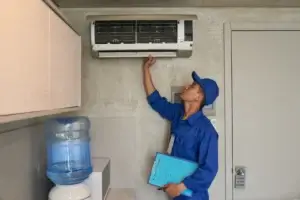
While some AC cooling problems are DIY-friendly, others require a licensed HVAC technician. Here is a clear guideline:
Handle it yourself if:
- The filter needs cleaning or replacing
- The thermostat settings are incorrect
- The drain line is mildly clogged
- The outdoor unit has debris around it
Call a professional if:
- The AC stopped cooling completely, and the breaker is not tripped
- You suspect a refrigerant leak (hissing sound, warm air, ice on coils)
- The compressor is making loud noises or not starting
- There is water damage inside the property from leaks
- The unit is burning or has electrical smells
- Your system is over 10 years old and not cooling properly
For reliable professional support in the UAE, AC Maintenance UAE provides emergency AC repair services with certified technicians who can diagnose and fix issues quickly. If it is a major repair or routine servicing, having a trusted HVAC partner matters.
FAQs About AC Cooling Problems
- Why is my AC running but not cooling the room?
The most common reasons are a dirty air filter, low refrigerant, or dirty coils. Check the filter first, as it is the easiest fix. If that does not resolve it, schedule a professional inspection.
- How do I know if my AC has a refrigerant leak?
Signs include warm air output, hissing sounds, ice forming on the evaporator coil, and higher-than-normal electricity bills. Refrigerant leaks require a certified technician to fix.
- Can a dirty filter cause my AC to stop cooling?
Yes. A severely clogged filter blocks airflow, which can cause the evaporator coil to freeze and stop the AC from cooling effectively. Replace or clean the filter immediately.
- Why is water dripping from my indoor AC unit?
A clogged condensate drain is the most likely cause. Flush the drain line with water and vinegar. If the problem continues, the drain pan may be cracked and need replacement.
- Is it normal for an AC to smell musty?
A mild smell at startup is common after long periods of inactivity, but persistent musty smells indicate mold growth. Clean the coils, drain pan, and filter, and consider a duct cleaning service.
- What should I do if my AC stops working completely?
Check the thermostat batteries, reset the circuit breaker, and confirm the unit is powered on. If none of these work, call a licensed HVAC technician.
- How often should I service my AC to avoid cooling problems?
Ideally, service your AC at least once a year. In hot climates like the UAE, a biannual service (before summer and after summer) is strongly recommended.
- Can I fix an AC refrigerant problem myself?
No. Handling refrigerants requires specialized tools and certification. Attempting to recharge refrigerant yourself is illegal in many regions and can be dangerous. Always use a licensed technician.
Conclusion
An AC cooling problem is never something to put off until tomorrow. Whether it is an AC blowing warm air, an AC leaking water, strange noises, or a unit that simply will not turn on, early diagnosis and action will always save you time, money, and discomfort. Most issues trace back to poor maintenance, so building a regular servicing schedule is the single best thing you can do for your AC system.
If you are in the UAE and dealing with any of the issues covered in this guide, the professionals at AC Maintenance UAE are ready to help. Do not wait until a minor problem becomes a major breakdown. Book a maintenance visit today, stay cool, and enjoy peace of mind all year long.

AC Maintenance UAE Team
Welcome to AC Maintenance UAE, your reliable partner for complete air conditioning repair and maintenance services in Dubai, Sharjah, and Abu Dhabi. We are strongly dedicated to excellence and deliver efficient and reliable services to keep your cooling systems performing at their best.